MASCAvoice
Stay connected with the Malaysian community in Australia. Explore ideas and share experiences on identity, culture, and advocacy. Subscribe to our newsletter for insights and updates.
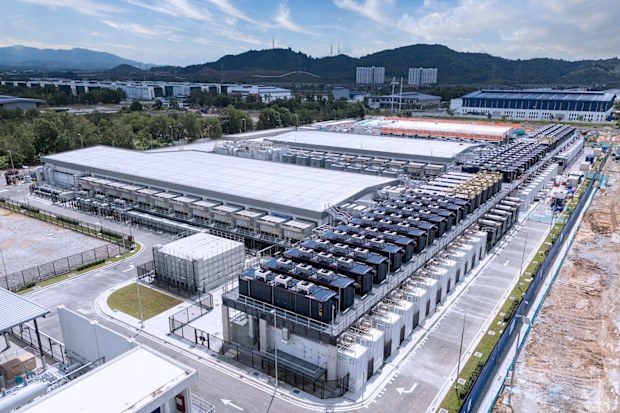
By Jansen FongAnalysing the true cost of AI development in Malaysia Welcome to the AI era. Previously limited to academic pursuit, AI now has the potential to reshape virtually every sector of the economy. But its increasing prominence poses serious questions for Malaysia’s energy transition and its economic position. Because behind its astonishingly prompt sourcing of information, hyperrealistic image generation, and adept problem-solving, lies a damning reality: AI exacts a severe toll on energy consumption, and it comes at a huge national cost. Can Malaysia’s grid catalyse the AI boom, or will it be priced out of it? A Supercharged SectorThe global AI race is essentially an energy race. In 2025, the International Energy Agency (IEA) released a report underscoring the implications of AI development on their economic hosts (International Energy Agency, 2025). The report found that the typical data centre in which AI models are trained and deployed consumes as much electricity as 100,000 households, with the larger ones consuming up to 20 times this amount today.
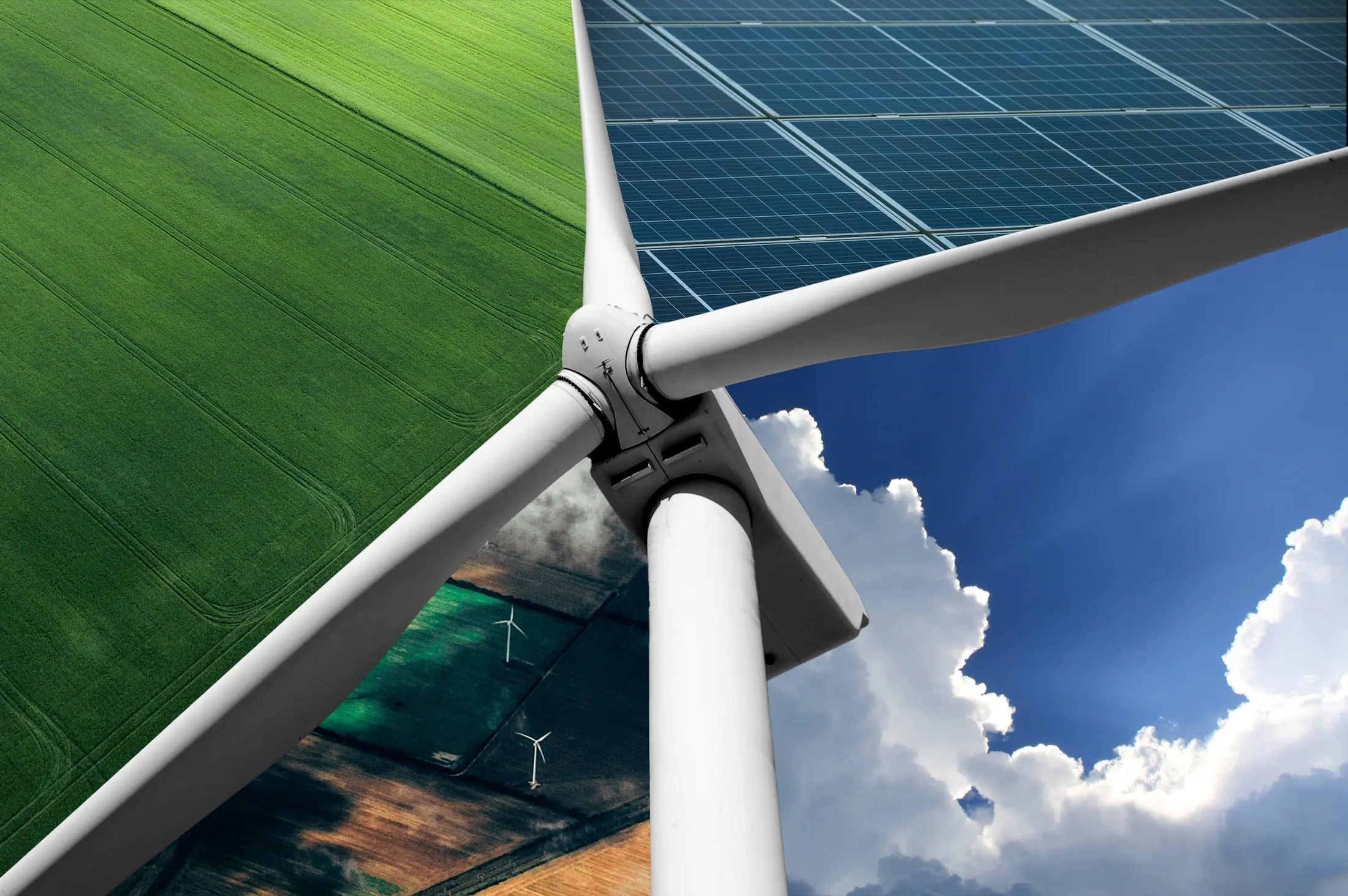
Among the Southeast Asian nations, Malaysia is expected to see the sharpest rise in electricity consumption as a result of the increasing demand for these data centres (Nadhila & Setyawati, 2025). With a projected sevenfold increase from 8.5 TWh in 2024 to 68 TWh by 2030, this is the frightening equivalent of adding Singapore’s entire power consumption in 2023 (57 TWh). Consequently, states on Peninsular Malaysia are expected to be the beneficiaries of lucrative foreign investment. With key hubs like Johor and Klang Valley averaging annual live supply growth rates as high as 145%, electricity consumption on the Peninsular is expected to triple by 2027 (Fourteau, 2025; Onyango, 2025). But it is Malaysia’s source of electricity generation that poses the biggest challenge for its economy. According to the IEA, liquified natural gas (LNG) accounts for 35% of Malaysia’s electricity generation, with former Tenaga Nasional Berhad (TNB) CEO Megat Jalaluddin projecting this number to grow even further as Malaysia phases out coal usage (International Energy Agency, 2024; Varadhan, 2025). So why might this be a problem? The End of Cheap PowerWhile the gas-abundant states of Sabah and Sarawak have sufficient LNG to support domestic needs, Peninsular Malaysia does not. Energy research group Wood Mackenzie expects the Peninsular’s data centre boom to be accompanied with a sharp rise in LNG imports (Omarali & Dong, 2025). In the onset of the Peninsular’s declining LNG production, Malaysia’s energy multinational Petronas has already penned deals with the likes of QatarEnergy and US exporters to bolster domestic supply, marking just the beginning of Malaysia’s commitment to natural-gas-led electricity production to complement rising demand (International Trade Administration, 2025; PETRONAS, 2026). According to Petronas head Tengku Muhammad Taufik, this would see Malaysia — historically the world’s fifth-largest LNG exporter — transition to a net-importer of LNG in as soon as four years (Onyango, 2025). This however, exposes Malaysia’s import bill to the escalating geopolitical tensions and energy infrastructure disruptions in the Middle East. Following the March 2026 Iranian strikes on Qatari natural gas facilities in Ras Laffan, QatarEnergy fully halted its LNG production and export facilities (Timera Energy, 2026a). Pricing models have shown that regardless of whether ceasefires prove to be enduring, the crisis is likely to have already inflicted longer-term structural supply disruptions, with short-term LNG prices potentially soaring as high as 150% through sustained disruption (Timera Energy, 2026b). The following chart depicts Malaysia’s estimated LNG import bill accounting for a confluence of real-world factors, such as the growing demand for AI data centres, electricity consumption, and the upward trajectory of LNG prices. The model forecasts LNG imports to be valued close to MYR 6.5 billion at the closing quarter of 2026, aligned with the Department of Statistics Malaysia’s (DOSM) annualised quarterly import values. Throughout the course of Middle Eastern supply channel disruptions, Malaysia can expect its LNG import bill to double by the end of 2028. In the years following 2028, energy consultancy Timera predicts LNG prices to return to their pre-conflict states amid de-escalation (Timera Energy, 2026b). Incidentally, forecasts by global think tank Ember have Malaysia at the apex of its AI boom post-2028 (Nadhila & Setyawati, 2025). With natural-gas-led electricity generation rising at a greater scale relative to the fall in LNG prices, the model suggests that the net effect is a gradual hike in the value of Malaysia’s LNG imports through to 2032. A key takeaway from the model is that the supply-side disruptions Malaysia contends with will have a more significant short-term bearing on LNG imports, whilst long-term LNG imports will be largely driven by domestic demand on the Peninsular. Ultimately, the message is clear: Malaysia should expect its LNG import bill to rise for the foreseeable future. A Cascading EffectThe implications of Malaysia’s AI boom extends to domestic households. In July 2025, Malaysia unveiled its new Automatic Fuel Adjustment (AFA) scheme induced by the need to manage the financial risks associated with global commodity prices (LNG included) and exchange rate fluctuations (Tenaga Nasional Berhad, 2026). Under the AFA, the electricity tariff (measured in sen/kWh) passed on to households will be automatically adjusted to reflect global developments. The following chart shows a timeline of the change in AFA rates since its establishment. The series of changes go hand in hand with geopolitical tensions abroad, with power industry experts anticipating further increases to the AFA rates (Thoo & Egli, 2026). To shield low consumption households, TNB exempts domestic users consuming 600 kWh or less per month from any AFA surcharges. On the contrary, the AFA ensures that the sting of rising LNG prices are immediately reflected upon the monthly bills of heavy energy consumers. Naturally, larger residential households are exposed to LNG price fluctuations to a greater degree, but the bulk of the AFA burden will be borne by data centres seeking to ride the wave of the AI boom (World Economic Forum, 2025). Renewed AmbitionsGiven the financial costs of the AFA and LNG imports, AI hyperscalers seeking expansion on the Peninsular must critically rethink their energy inputs. For tech giants, an alternative would be to adopt renewable energy in production, supporting Malaysia’s National Energy Transition Roadmap (NETR) (Malaysian Investment Development Authority, 2024). By systematically revamping input composition in accordance with the NETR, Malaysia can cut LNG import bills by approximately half by 2035 and data centre expansions can bypass the volatile costs linked with imported LNG (International Energy Agency, 2026). In recent years, the Malaysian Energy Commission and Ministry of Energy Transition and Water Transformation (PETRA) also launched several large-scale incentives to empower green energy procurement (ASEAN Centre for Energy, 2025; Energy Commission, 2023). These include the Corporate Green Power Programme (CGPP) and Corporate Renewable Energy Supply Scheme (CRESS), and are designed to amplify the importance of Malaysia’s energy transition. Malaysia’s proactivity toward its energy transition is already shifting data centre investment dynamics in Southeast Asia. According to a data centre research report, the outlined initiatives were instrumental in securing strategic investments from tech giants like Microsoft, Amazon Web Services (AWS), Google, Oracle, and other key industry players, totalling US$23.3 billion (BERNAMA, 2024).
ConclusionI’m sure we’ve all had our own gripes with being cut off by an untimely “Your AI usage limit reached” notification. Today, Malaysia is essentially dealing with the exact same warning, just on a macroeconomic scale. But rather than waiting out the downtime, the nation has a unique opportunity to act upon it, an opportunity to stake its claim as the gold standard for AI infrastructure. The impetus is clear: as Malaysia draws up the blueprint for its digital future, it is imperative to consider the inevitable structural shifts behind its data centres and energy pipelines that come with it. Otherwise, it will have to pay a premium for the prize, just as we could to keep our language models running, but at a more sizable national cost. References:ASEAN Centre for Energy. (2025). Policy Insight - Malaysia: Corporate Renewable Energy Supply Scheme (CRESS). https://aseanenergy.org/publications/policy-insight-corporate-renewable-energy-supply-scheme-cress BERNAMA. (2024). Malaysia Continues To Lead Regional Data Centre Index – Knight Frank Malaysia. BERNAMA. https://www.bernama.com/en/news.php/?id=2376203 Energy Commission. (2023). Corporate Green Power Programme. Energy Commission. https://www.st.gov.my/sustainability/energy-transition-programmes/corporate-green-power-programme Fourteau, T. (2025). What is propelling Malaysia’s data centre boom? White & Case. https://www.whitecase.com/insight-our-thinking/what-propelling-malaysias-data-centre-boom International Energy Agency. (2024). Energy system of Malaysia. International Energy Agency (IEA). https://www.iea.org/countries/malaysia International Energy Agency. (2025). Energy and AI. https://www.iea.org/reports/energy-and-ai International Energy Agency. (2026). Southeast Asia Energy Outlook 2026. https://www.iea.org/reports/southeast-asia-energy-outlook-2026 International Trade Administration. (2025). Malaysia LNG Supply. International Trade Administration (ITA). https://www.trade.gov/market-intelligence/malaysia-lng-supply Malaysian Investment Development Authority. (2024). National Energy Transition Roadmap (NETR): Charting a Path to a Sustainable Energy Landscape. Malaysian Investment Development Authority (MIDA). https://www.mida.gov.my/national-energy-transition-roadmap-netr-charting-a-path-to-a-sustainable-energy-landscape/ Nadhila, S., & Setyawati, D. (2025). From AI to emissions: Aligning ASEAN’s digital growth with energy transition goals. Ember Energy Research. https://ember-energy.org/latest-insights/from-ai-to-emissions-aligning-asean-digital-growth-with-energy-transition/ Omarali, F., & Dong, K. (2025). Gas on the move: Malaysia’s energy crossroads. Wood Mackenzie. https://www.woodmac.com/news/opinion/wss-gas-on-the-move-malaysias-energy-crossroads/ Onyango, D. (2025). Malaysia to Boost Gas-fired Power by Over 50% to Provide Clean Energy for Data Centers. Pipeline Business. https://www.pipeline-journal.net/news/malaysia-boost-gas-fired-power-over-50-provide-clean-energy-data-centers PETRONAS. (2026). PETRONAS signs 20-year LNG supply agreement with QatarEnergy [Press release]. https://www.petronas.com/media/media-releases/petronas-signs-20-year-lng-supply-agreement-qatarenergy Thoo, D., & Egli, P. (2026). The Limits To Growth: The Malaysian Way of Navigating the Data Centre Boom. Aurora Energy Research. https://auroraer.com/resources/aurora-insights/articles/malaysia-data-centre-boom Timera Energy. (2026a). Middle East supply shock: Repricing global gas. Timera Energy. https://timera-energy.com/blog/middle-east-supply-shock-repricing-global-gas/ Timera Energy. (2026b). LNG market: enduring impacts of Middle East shock. Timera Energy. https://timera-energy.com/blog/lng-market-enduring-impacts/ Tenaga Nasional Berhad. (2026). Understanding Your Electricity Tariff. Tenaga Nasional Berhad (TNB). https://www.mytnb.com.my/tariff/index.html?v=1.1.50 Varadhan, S. (2025). Malaysia bets on mix of solar and gas as it shifts away from coal. Reuters. https://www.reuters.com/sustainability/climate-energy/malaysia-bets-mix-solar-gas-it-shifts-away-coal-2025-10-29/ World Economic Forum. (2025). Malaysia’s electricity tariff reforms will help companies measure the true cost of fossil fuels: Energy Commission chief. World Economic Forum. https://initiatives.weforum.org/forum-spaces/policy-navigator/publications/malaysia's-electricity-tariff-reforms-will-help-companies-measure-true-cost-of-fossil-fuels:-energy-commission-chief/48fdae3d92d0369c378fbc1f5154d953ad3a54ee |
MASCAvoice
Stay connected with the Malaysian community in Australia. Explore ideas and share experiences on identity, culture, and advocacy. Subscribe to our newsletter for insights and updates.